Randonnée Vercors avec un guide naturaliste diplômé
Votre expérience de randonnée Vercors avec un guide local
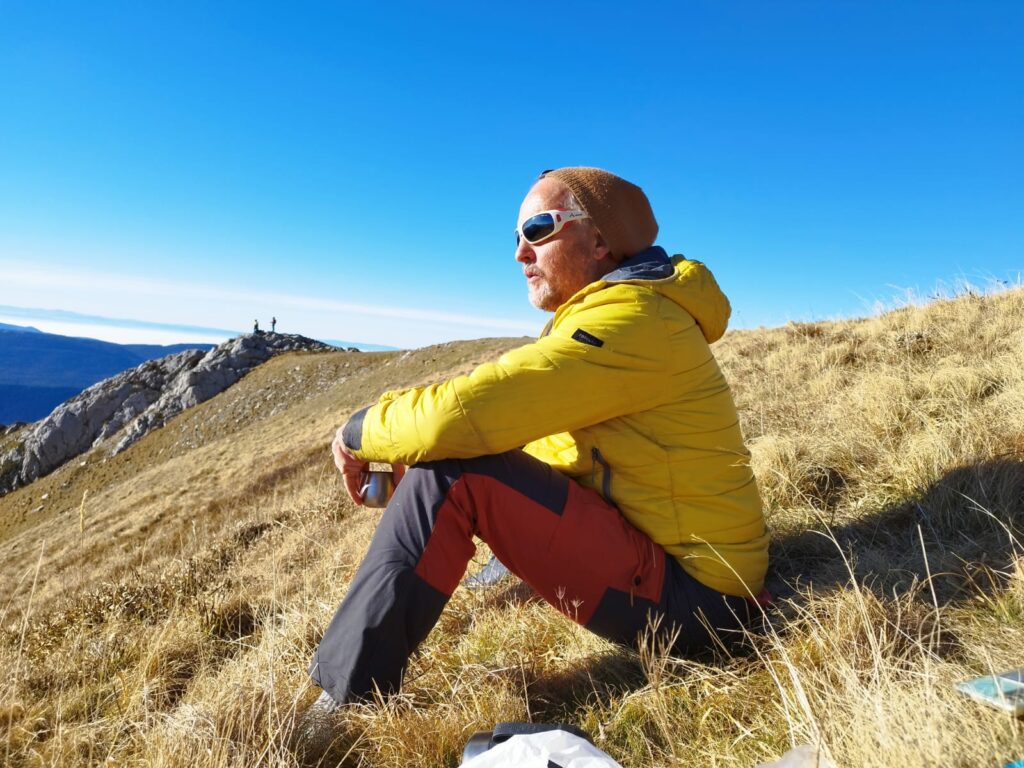
Bienvenue sur Randonnée Vercors — votre espace de randonnée Vercors guidée dans le massif. Je suis Vincent Desestret, accompagnateur en montagne diplômé d’État, géographe de formation et astronome certifié par l’Université Lyon 1. Installé au cœur du Parc Naturel Régional du Vercors depuis plus de vingt ans, j’accompagne chaque sortie avec exigence, passion et un profond respect du territoire.
Explorer le Vercors toute l’année
Le Vercors est un massif d’exception. Ses plateaux, ses forêts, ses falaises et ses vallées secrètes offrent un terrain d’exploration inépuisable, été comme hiver. C’est pourquoi je vous propose des sorties à la journée, des randonnées à raquettes à neige, des bivouacs sous les étoiles et des séjours thématiques pour découvrir ce territoire sous toutes ses facettes.
Randonnées à la journée et raquettes dans le Vercors
Bivouacs étoilés et séjours thématiques
Une approche naturaliste, géographique et pédagogique
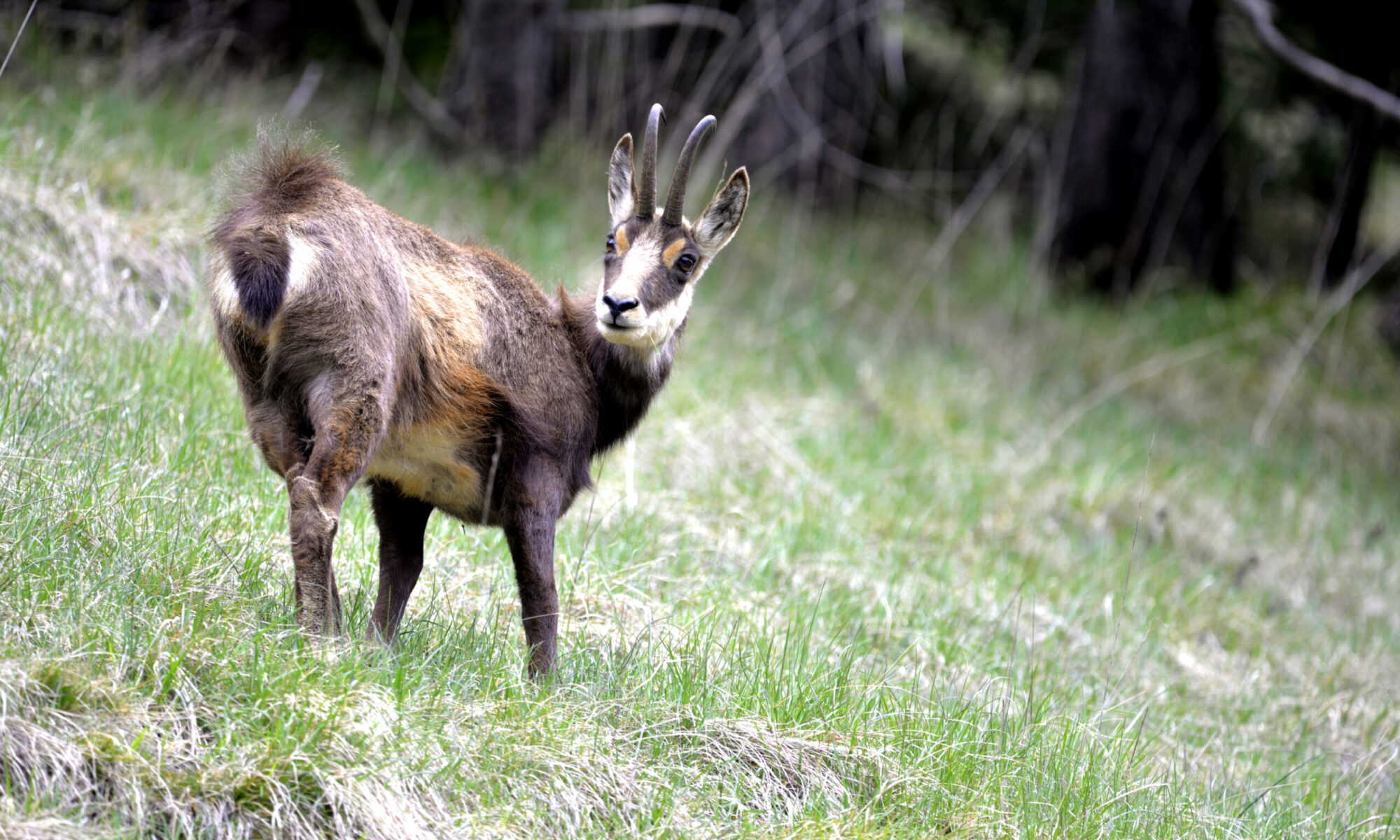
Ce qui me tient à cœur, c’est de partager une lecture vivante du paysage — sa géologie, sa faune, sa flore, son histoire humaine. Grâce à ma double expertise de géographe et de naturaliste, chaque sortie devient une véritable immersion, bien au-delà d’une simple promenade.
Randonnées guidées dans le Vercors pour groupes et familles
Je propose également des randonnées guidées dans le Vercors pour les groupes scolaires, les entreprises en séminaire et les familles. La vidéo tournée avec Jamy des Épicurieux témoigne de cette approche pédagogique et vivante que je mets au service de chaque groupe.
Le Vercors, Réserve Internationale de Ciel Étoilé
Le Vercors est classé Réserve Internationale de Ciel Étoilé — un territoire protégé où la nuit reste encore vraiment noire. Fort de ma formation d’astronome à l’Université Lyon 1, je vous propose aussi des soirées d’observation astronomique et des bivouacs étoilés pour découvrir le ciel dans des conditions rares.
Réservez votre randonnée Vercors en ligne
Envie de vivre une randonnée Vercors autrement ? Consultez nos activités ou réservez directement en ligne grâce à notre système simple et rapide.
Envie de découvrir le Vercors autrement ? Consultez nos activités ou réservez directement en ligne grâce à notre système de réservation simple et rapide.